
Introduction
The digital nomad lifestyle gives people a new way to combine work and travel. Instead of staying in one office every day, a digital nomad can work from a laptop while living in different cities or countries. Remote work has made this lifestyle possible for employees, freelancers, business owners, writers, designers, developers, marketers and many other professionals. The OECD describes digital nomadism as a location-independent lifestyle supported by technology. Such as high-speed internet, video calls, online collaboration tools, and cloud services.
However, becoming a digital nomad is not just about booking a flight and opening a laptop in a new place. You need a steady income, good work habits, reliable internet, a realistic travel budget, and a plan for your daily life.
Build a Reliable Remote Income
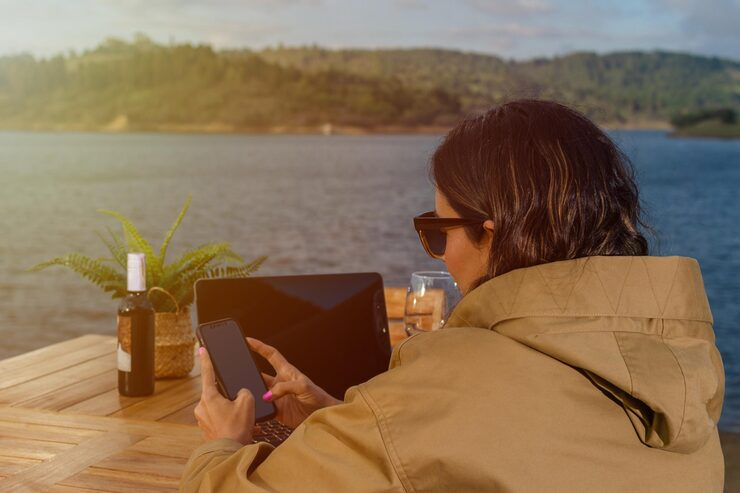
The first step toward digital nomad life is having a reliable source of income. Travel can be exciting, but it becomes stressful when you do not know how you will pay for your next month. Start by looking at your current skills. Writing, graphic design, web development, social media management, online teaching, marketing, customer support, and consulting can often be done remotely.
- Choose a Remote-Friendly Skill
- Find a Stable Income Source
- Start Freelancing or Remote Work
- Test Your Income Before Traveling
- Build an Emergency Savings Fund
Some people work as employees for companies that allow remote work, while others earn money through freelancing or their own online business.
Choose a Destination Carefully
Choosing the right digital nomad destination can make a major difference to your experience. A beautiful location is not always a practical place for remote work. Before booking a long stay, research the cost of accommodation, internet quality, transport, safety, food, weather, and access to basic services. Think about your work needs as well.
A destination with beaches and low prices may not be useful if the internet is unreliable. You should also consider the local time zone. If your employer or clients are several hours behind or ahead of you, regular meetings may become difficult.
Create a Realistic Travel Budget
A digital nomad budget should include more than flights and hotels. You need to consider rent, food, transport, internet, insurance, workspaces, visas, entertainment and emergency costs. Create a monthly budget before you leave home. Then add an emergency fund for unexpected problems such as medical costs, flight changes, lost equipment or sudden accommodation issues.
It is also useful to compare the cost of living between destinations. A place that looks cheap at first may become expensive if you need private accommodation, frequent transport or a coworking space. Long-term travel can become more affordable when you stay longer in one place instead of changing cities every few days.
Find Reliable Internet
For most digital nomads, internet access is not a luxury. It is part of the job. A weak connection can cause missed meetings, slow downloads, failed uploads, and lost work. Before choosing accommodation, check whether the property offers reliable Wi-Fi. Read recent guest reviews and ask the host about internet speed if your work depends heavily on video calls or large files.
It is also smart to have a backup option. A local SIM card, eSIM, mobile hotspot, or nearby coworking space can help if your main connection stops working. Digital nomad life depends heavily on technology.
Set a Daily Work Routine
Travel can make it difficult to separate work from free time. When your office is your apartment, hotel room, café, or coworking space, you may feel like you should always be working. Create a simple daily routine. Choose fixed working hours and try to follow them most days.
Start your work at a set time, take regular breaks and finish at a planned time. A routine does not need to be strict. The goal is to create structure so you can complete your work without allowing it to take over your entire day.
Pack for Work and Travel
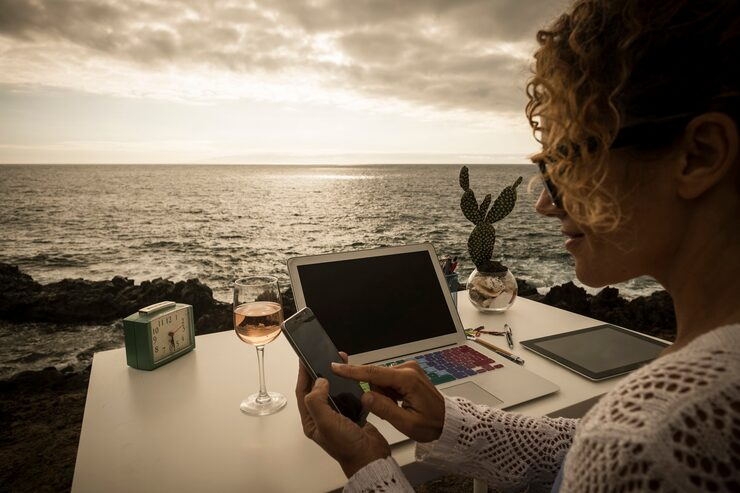
Digital nomads need to think differently about packing. You are carrying both your personal items and your work equipment. A laptop, charger, phone, power bank, headphones, travel adapter and backup storage can be useful. Keep important documents in a secure digital location and carry copies of essential travel documents.
Avoid taking too many things. Moving from one city to another becomes harder when your bags are heavy. Your work equipment should also be protected. A strong laptop bag and basic device protection can help reduce the risk of damage during travel.
Learn About Visa and Tax Rules
One of the most important beginner tips is to understand the legal side of working while traveling. A tourist visa does not automatically permit you to work remotely from another country. Rules differ between countries, and some destinations have specific digital nomad visas or residence options for remote workers. The OECD notes that digital nomad visa schemes differ in eligibility requirements, rights, and legal conditions.
Tax rules can also become complicated when you spend extended periods abroad. Cross-border remote work may create tax questions for both workers and employers. The OECD updated its guidance in 2025 to address some issues related to remote work across borders.
Protect Your Health and Work-Life Balance
Digital nomad life should not mean working all day while moving between countries. Take care of basic habits such as sleep, exercise, healthy meals, and regular breaks. Traveling can disturb your normal routine, especially when you change time zones often.
It is also important to make time for activities that are not related to work. Visit local places, meet people, spend time outdoors, and enjoy the destination. A healthy balance can make remote work more enjoyable and sustainable. The goal is not simply to work from different countries.
Build a Local and Online Community
Traveling alone can sound exciting, but it can sometimes become lonely. Digital nomads often move away from family, friends and familiar social circles. Try to build connections wherever you stay. Coworking spaces, professional events, language classes, local activities and digital nomad communities can help you meet people.
Why Build a Local and Online Community?
- Reduce Loneliness: Meeting people can make solo travel feel less lonely.
- Make New Friends: Local groups and coworking spaces can help you build meaningful friendships.
- Learn About Local Life: Local people can share useful tips about food, places and daily life.
- Create Work Connections: Professional events can help you meet clients, partners and other remote workers.
- Feel More Comfortable: Having a few trusted connections can help you feel more settled in a new destination.
Start Slowly and Learn as You Go
You do not need to travel to five countries in your first month. Starting slowly can make the transition much easier. Choose one destination that matches your budget and work needs. Stay long enough to understand the area. Learn how much you actually spend and how productive you are.
After your first trip, review what worked and what did not. Maybe you need faster internet, a better work setup, longer stays, or fewer travel days. Digital nomad life is not one fixed lifestyle. Some people move every few weeks, while others stay for several months in one location. Both approaches can work.