Introduction
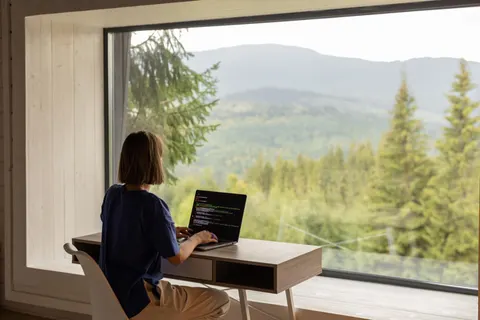
Remote work has changed how many people think about their careers. A job no longer always means sitting in an office from morning to evening. With a laptop, a stable internet connection, the right skills, and a suitable job, many people can work from home, a coworking space or even another city or country.
Working remotely from anywhere can offer more freedom and flexibility. It can also help people spend more time with family, avoid long commutes, and build a lifestyle that fits their personal goals. However, remote work is not simply about taking a laptop on a trip.
You need a clear plan, good work habits, reliable tools and an understanding of what your employer or clients expect. Remote work usually means doing your job away from the company’s normal workplace.

Understand What Remote Work Really Means
Remote work means completing your job outside a traditional office. Depending on the company, you may work fully remotely or follow a hybrid schedule. Some remote jobs let employees work from almost any location, while others require workers to stay within a specific country or time zone. This difference is important. A job described as “remote” does not always mean you can travel anywhere in the world.
Employers may have rules about working locations, data security, tax requirements, working hours, and communication. Before accepting a remote job, read the company’s remote work policy. Check where you are allowed to work and whether international travel is permitted.
Choose a Remote-Friendly Career
The easiest way to work remotely is to build a skill that can be delivered online. Many digital careers can be performed without being in the same physical location as an employer or client. Common remote-friendly careers include software development, graphic design, content writing, digital marketing, customer support, project management, online teaching, accounting, sales and virtual assistance.
- Choose an online-friendly career
- Build skills for remote jobs
- Use your existing skills
- Explore flexible work options
- Find jobs you can do anywhere
Your current career may already offer remote opportunities. If not, look at the skills you already have and identify which ones can be used online.
Build Skills Employers Need
Remote jobs can be competitive, so having practical skills can improve your chances of getting hired. Technical skills are useful but soft skills also matter. Remote workers need to communicate clearly, manage time, meet deadlines, solve problems and work with less direct supervision. These skills become even more important when your manager and team members are in different locations.
Start with one or two skills that match your career goal. For example, an aspiring content writer can improve SEO writing and research skills. A designer can develop skills in popular design software. Someone interested in online marketing can learn SEO, social media marketing or email marketing.
Create a Professional Remote Work Setup
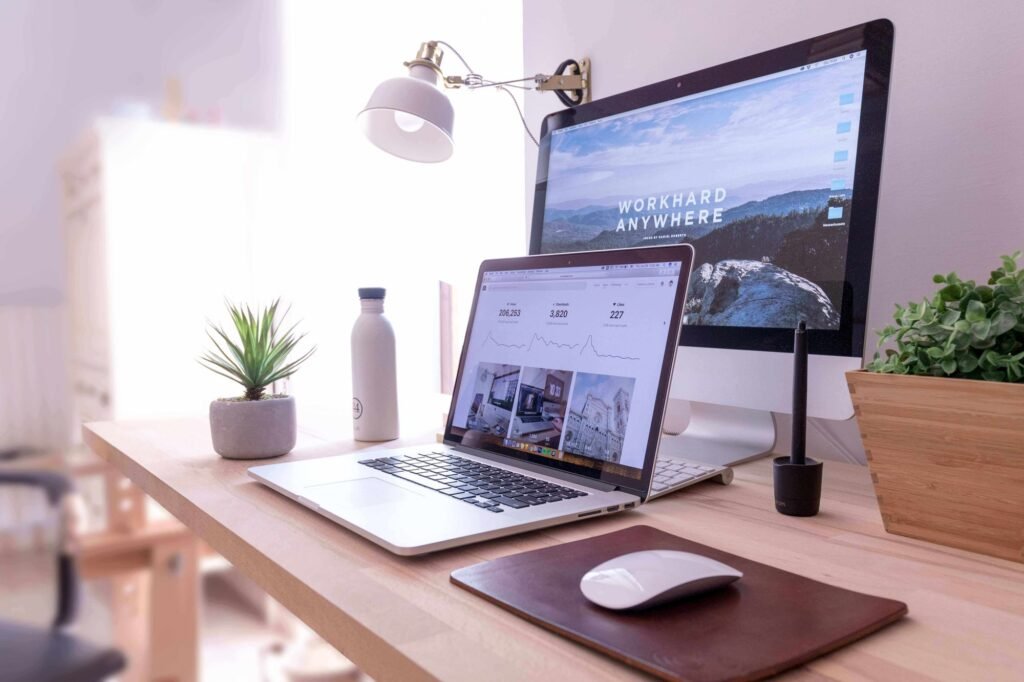
A reliable work setup can make remote work much easier. You do not need an expensive home office, but you should have a place where you can focus. A basic setup may include a laptop or desktop computer, a reliable internet connection, headphones, a comfortable chair and a suitable desk. If your work depends on video meetings, good lighting and a working microphone can also help.
Try to keep your work area separate from your rest area when possible. This creates a clear mental boundary between work and personal time. Professional remote work guides also recommend creating a dedicated workspace and reducing distractions because the home environment can make it harder to stay focused.
Find Legitimate Remote Work Opportunities
Once you have the right skills and setup, you can start looking for remote jobs. Use trusted job platforms, company career pages, professional networks, and freelance websites. Do not apply to every remote job you see. Read the job description carefully and check whether the role matches your skills and location.
A good remote job search should include a strong resume, a clear professional profile, and examples of your work. A portfolio can be especially useful for writers, designers, developers, marketers, and other digital professionals.
Learn How to Communicate Online
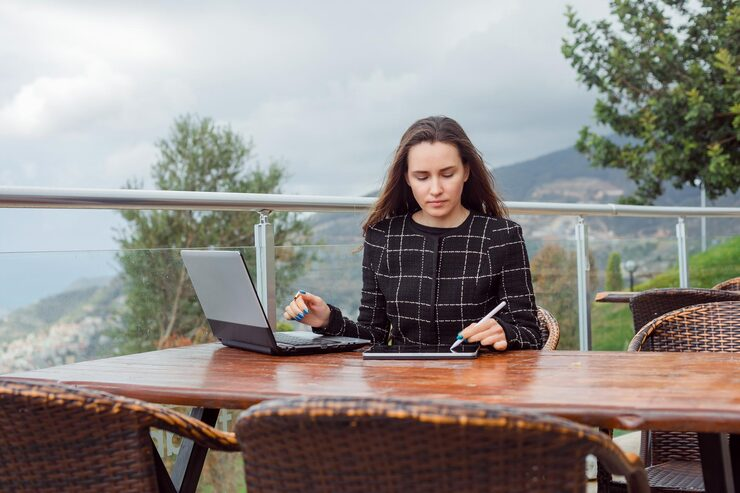
Communication is one of the most important remote work skills. When you are not sitting beside your team, you cannot simply turn around and ask a question. You need to communicate through email, chat, video meetings, project management platforms and other online tools. Your messages should be clear and easy to understand.
Learn when to send a quick message and when a detailed written update is better. If you finish an important task, tell your manager or client. If you face a problem, explain it early instead of waiting until the deadline.
Build a Daily Remote Work Routine
Flexibility is one of the biggest benefits of remote work, but too much flexibility can become a problem. Without a routine, work can start late, continue into the evening, or become mixed with household tasks. Create a simple daily schedule. Set a starting time, choose your main tasks, take regular breaks, and decide when your workday will end.
For example, you might begin work at 9:00 a.m., complete your most important task before lunch, attend meetings in the afternoon, and finish work at 5:00 p.m. A routine does not need to be strict every day. The goal is to give your workday a clear structure.
Prepare for Working From Different Locations
If your goal is to work remotely while traveling, you need to plan beyond your laptop. Before moving to a new location, check the quality of the internet, time zone, cost of living, workspace options, and access to basic services. A beautiful destination is not always a good place for remote work.
For digital nomads, reliable internet is often more important than a scenic view. You should also have a backup internet option such as mobile data or a second connection. If your job depends heavily on being online.
Protect Your Work-Life Balance
Remote work can save commuting time, but it can also make it harder to stop working. When your office is inside your home, checking one more email can easily turn into another hour of work. Set a clear end to your workday. Turn off unnecessary work notifications and step away from your computer when your scheduled work time is over.
Why Protect Your Work-Life Balance?
- Reduce Stress: Clear work limits can help lower daily stress.
- Avoid Burnout: Regular breaks and time off can help prevent work burnout.
- Improve Focus: A good balance can help you stay fresh and focused during work hours.
- Enjoy Personal Time: Time for family, friends, hobbies and rest is important for a happy life.
- Boost Work Quality: Proper rest can help you return to work with better energy and focus.
Keep Improving Your Remote Career
Starting remote work is only the first step. To build a long-term remote career, keep improving your skills and professional reputation. Track your achievements and keep your portfolio updated. Ask for useful feedback from managers or clients. Learn new tools that are relevant to your field. Build professional relationships even when you work online.
You should also review your remote work routine from time to time. Ask yourself what is working and what is causing problems. Maybe you need a better workspace. Perhaps you need stronger time management skills. You may also find that a coworking space helps you focus when working while traveling.
FAQs
Q1. What is remote work?
Remote work means doing your job outside a traditional office using online tools and technology.
Q2. How can I start working remotely?
Build useful skills, prepare a professional resume, create a remote work setup and apply for legitimate remote jobs.
Q3. What jobs can be done remotely?
Writing, programming, digital marketing, design, customer support, teaching, sales and virtual assistance are common remote careers.
Q4. Can I work remotely while traveling?
Yes. Some remote jobs allow you to work while traveling, but you should check employer rules, internet access, time zones and local requirements.
Q5. What do I need to work remotely?
You generally need a reliable computer, stable internet, a suitable workspace, communication tools and the skills required for your job.
Final Thoughts
Learning how to start working remotely from anywhere does not happen overnight. You need the right skills, a suitable job, reliable technology, and good work habits. The first step is to decide what type of remote work fits your career goals. Then build useful skills, create a professional workspace, search for legitimate opportunities and develop a routine that keeps you productive.
If you want to become a digital nomad, take the process one step further by checking internet access, time zones, work rules and living costs before choosing a destination. Remote work can give you more freedom over where and how you work but that freedom comes with responsibility.
SEO Title:
How to Start Working Remotely From Anywhere in 2026
Meta Description:
Learn how to start working remotely from anywhere with practical tips on remote jobs, skills, tools, productivity and building a flexible career.
Slug:
how-to-start-working-remotely-from-anywhere
SEO Tags
- Remote Work Guide
- Work From Anywhere
- Remote Jobs
- Digital Nomad Work
- Work From Home